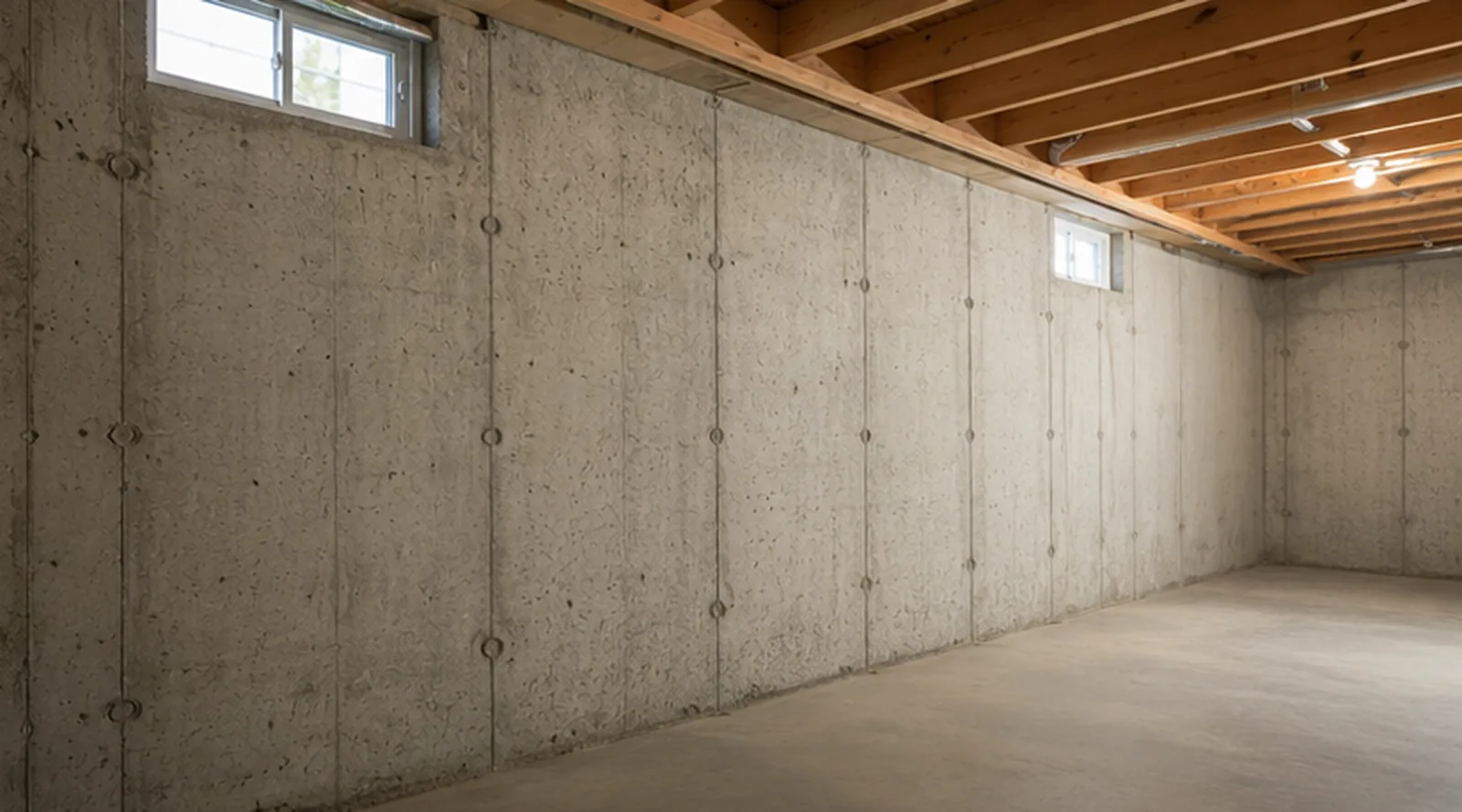
Freeze-Thaw & Your Foundation
How Minnesota's soil cycle cracks foundations — and what is serious.
How Minnesota's soil cycle cracks foundations — and what is serious. This field guide is written for Winthrop and rural south-central Minnesota homeowners by Home Inspection Winthrop MN.
Minnesota's soil does not sit still. Water in the ground freezes, expands, and lifts whatever sits on it, then thaws and drops it back. Over years, this freeze-thaw cycle is one of the primary forces acting on south-central Minnesota foundations.
Frost heave and shallow elements
Footings, slabs, stoops, and shallow foundations are most vulnerable. A garage slab that has lifted, a front stoop pulling away from the house, or a patio door that binds seasonally are classic frost-heave signatures. Proper footing depth below the frost line is the defense — and a common shortcut in older or owner-built work, of which the region has plenty.
Older foundations add to it
Many older Winthrop-area homes sit on rubble-stone or concrete-block foundations that move and admit water more readily than modern poured walls. The combination of an older foundation and freeze-thaw soil is why grading and drainage matter so much here: keeping water away from the foundation reduces the forces acting on it.
What we assess
Crack patterns and displacement, slab and stoop movement, mortar and stone condition on older foundations, grading within ten feet of the foundation, and downspout discharge. The goal is to separate cosmetic curing cracks from movement that needs a structural engineer.
Grading is the cheapest defense
The least expensive, highest-return action against freeze-thaw movement is keeping water away from the foundation: positive grading for the first ten feet, downspout extensions, and managed surface drainage. Much of what looks like a foundation problem in the region is, at root, a water problem that grading would have prevented.
Keep reading
All buyer-education articles · Knowledge center · Full home inspection
Know the house
before you own it.
Near-term availability · Photo-mapped digital report in 24 hours · (507) 721-0818