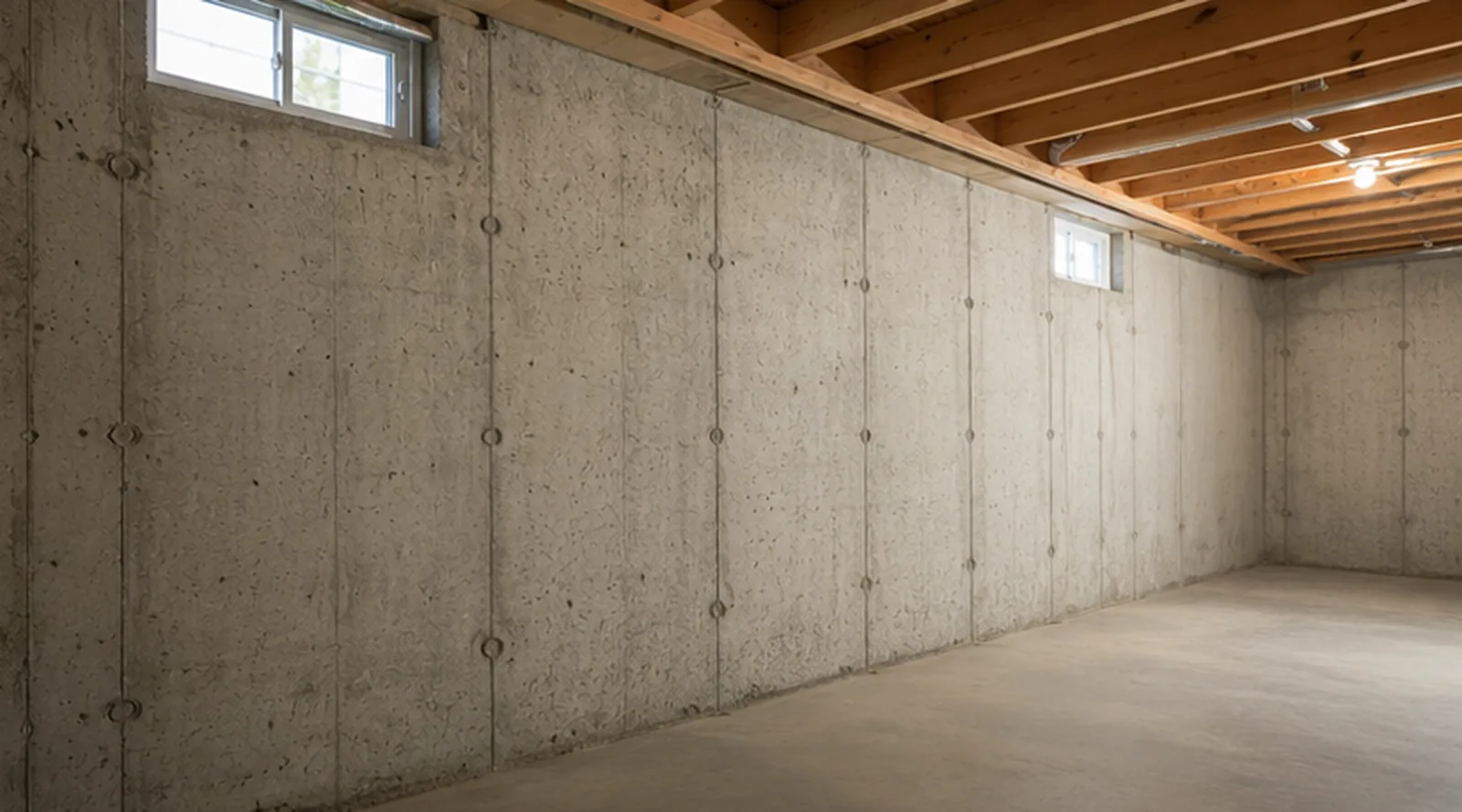
Stone & Block Foundations in Farm-Town Homes
Reading the rubble-stone and concrete-block basements under older south-central Minnesota homes.
Reading the rubble-stone and concrete-block basements under older south-central Minnesota homes. This field guide is written for Winthrop and rural south-central Minnesota homeowners by Home Inspection Winthrop MN.
Walk into the basement of a pre-1940 Winthrop-area home and you will often find a foundation of stacked fieldstone and mortar, or early concrete block, rather than a modern poured wall. These foundations can last a century — but they age differently, and reading them correctly is one of the most valuable parts of inspecting older farm-town housing.
How stone foundations age
A rubble-stone foundation is held together by mortar that deteriorates over decades of freeze-thaw and moisture. Mortar joints wash out, individual stones loosen or shift, and the wall can begin to bow under soil pressure. Much of this is repairable with tuckpointing and drainage correction — but some of it signals serious movement.
Concrete block foundations
Block walls common from the 1940s onward fail in their own patterns: stair-step cracking along the mortar joints, horizontal cracking from soil pressure, and bowing in the middle courses. As with poured walls, displacement and bowing are the concerning signs, while fine cosmetic cracks usually are not.
What we check
We assess mortar condition, displaced or loose stones, bowing, moisture entry and efflorescence, and any prior parging or repairs that may be hiding movement. We tie what we see inside to the grading and drainage outside, because water is almost always part of the story.
What it means for your purchase
A stone or block foundation is not a reason to walk away — many are perfectly sound and have been for generations. But it deserves a careful look and, where movement is evident, a structural engineer's evaluation before you commit. The point is to buy the home with open eyes about the foundation it actually sits on.
Drainage is the lifeline of an old foundation
Whatever the foundation is made of, water is what ages it fastest. On a century-old stone or block basement, positive grading, working gutters with extended downspouts, and a functioning sump where present do more to preserve the wall than anything else. Many foundation problems in the region's older homes are, at root, decades of water that simple drainage would have kept away.
Keep reading
All buyer-education articles · Knowledge center · Full home inspection
Know the house
before you own it.
Near-term availability · Photo-mapped digital report in 24 hours · (507) 721-0818